Skip to content
Third Space Endoscopy (ESD, EFTR, STER)

Procedure

Third Space Endoscopy (ESD, EFTR, STER)

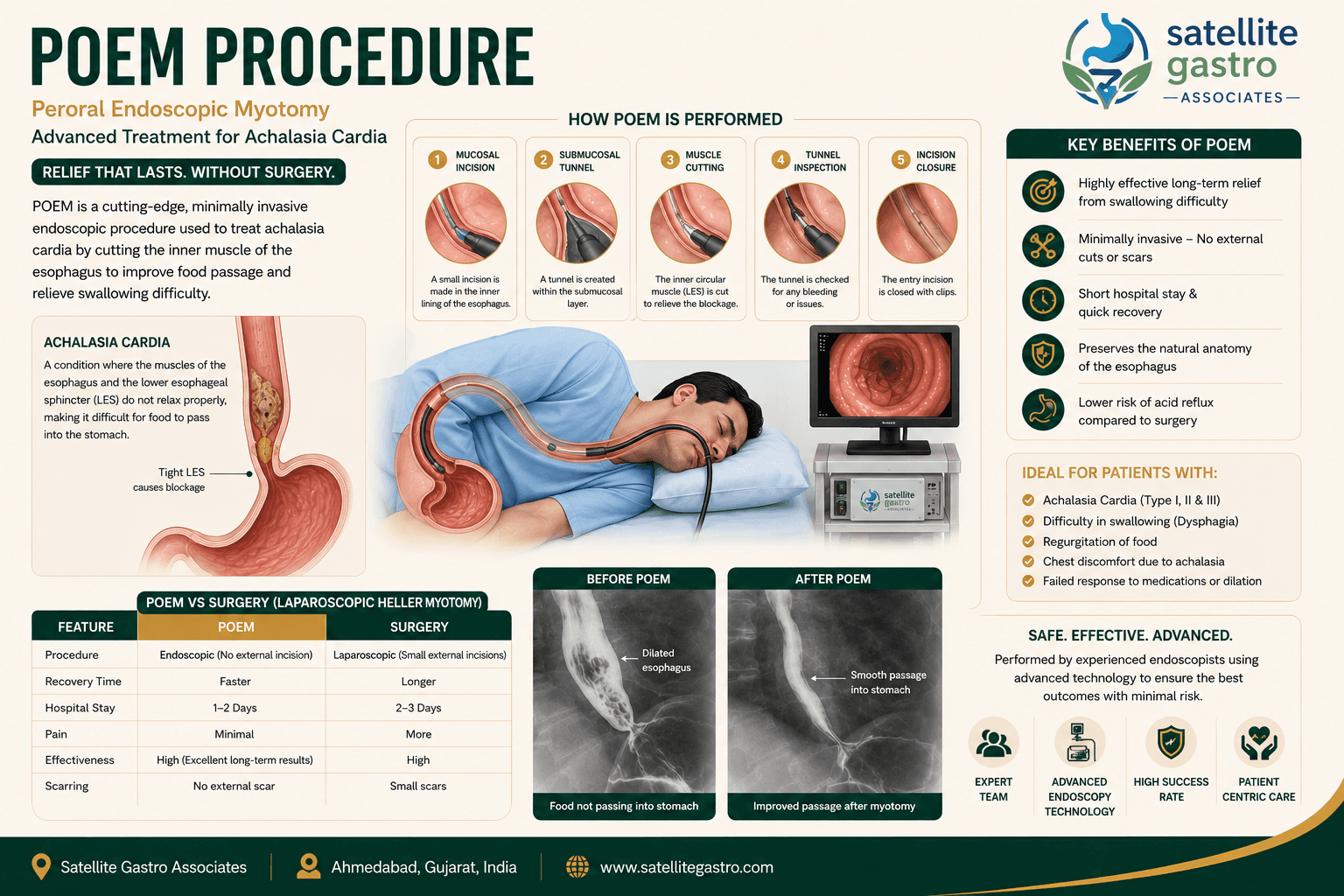
Includes ESD (Endoscopic Submucosal Dissection), EFTR (Endoscopic Full-Thickness Resection), and STER (Submucosal Tunneling Endoscopic Resection). Replaces many surgical procedures for early cancers and submucosal tumours.

What is it?

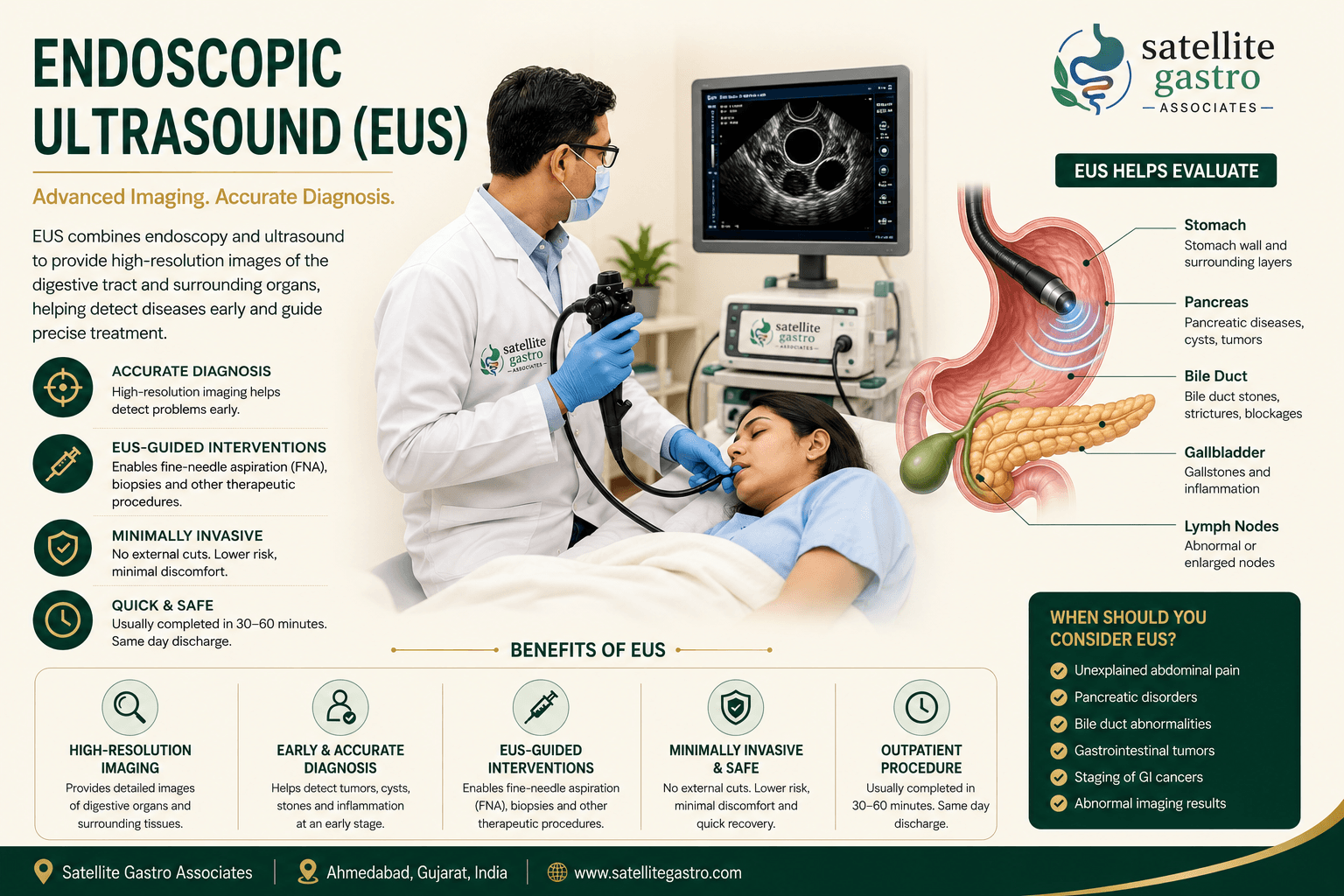
Third-space endoscopy is a family of advanced techniques that operate in the wall of the digestive tract itself, rather than just on the surface.

ESD removes early cancers and large polyps in one piece. EFTR removes deeper lesions that involve the full thickness of the wall. STER tunnels under the lining to reach tumours growing within the muscle layer.
Who needs it?

  • Early-stage cancers of the food pipe, stomach or colon, suitable for endoscopic removal.
  • Large or flat polyps that cannot be removed with a standard snare.
  • Submucosal tumours of the food pipe or stomach.

How it works

Performed under general anaesthesia.

The lesion is lifted with a saline injection. The submucosal layer is then dissected with a thin electrocautery knife to remove the lesion in one piece.

For EFTR and STER, the full wall or muscle layer is accessed through a tunnel or planned defect, then closed with clips or sutures.

Preparation

  • Bowel preparation for lower-GI cases. Liquid diet the day before.
  • Blood thinners are stopped well in advance.

Recovery

  • 1 to 3 nights in hospital depending on the location.
  • Soft diet for a week.

Risks

Bleeding and perforation are recognised risks and are usually managed during the same procedure.

Long-term success depends on accurate patient selection. Your endoscopist will explain whether this is the right approach for your specific lesion.

Common questions

Things patients ask us.

Why not just have surgery?

For appropriately selected lesions, endoscopic removal preserves the organ and avoids a major operation with similar cancer outcomes.