
Skip to content
Diagnostic and Therapeutic Upper GI Endoscopy

Procedure

Diagnostic and Therapeutic Upper GI Endoscopy

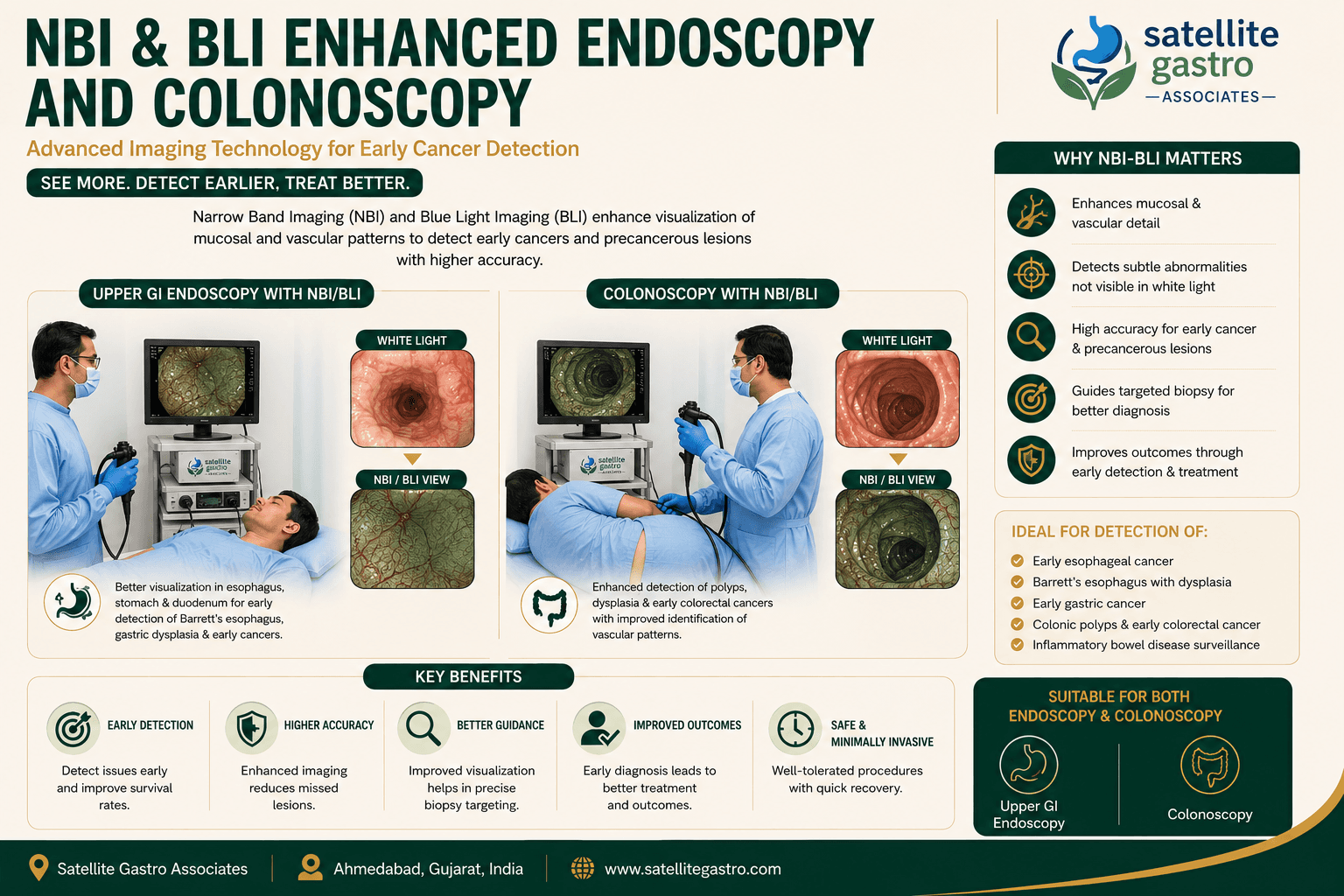
A thin flexible scope allows us to examine the food pipe, stomach and upper small intestine. Used for acidity, swallowing problems, ulcers, suspected bleeding, and many other concerns. Performed under sedation for comfort.

What is it?

Upper GI endoscopy uses a thin flexible tube with a camera at the tip to look inside the food pipe, stomach and the first part of the small intestine.

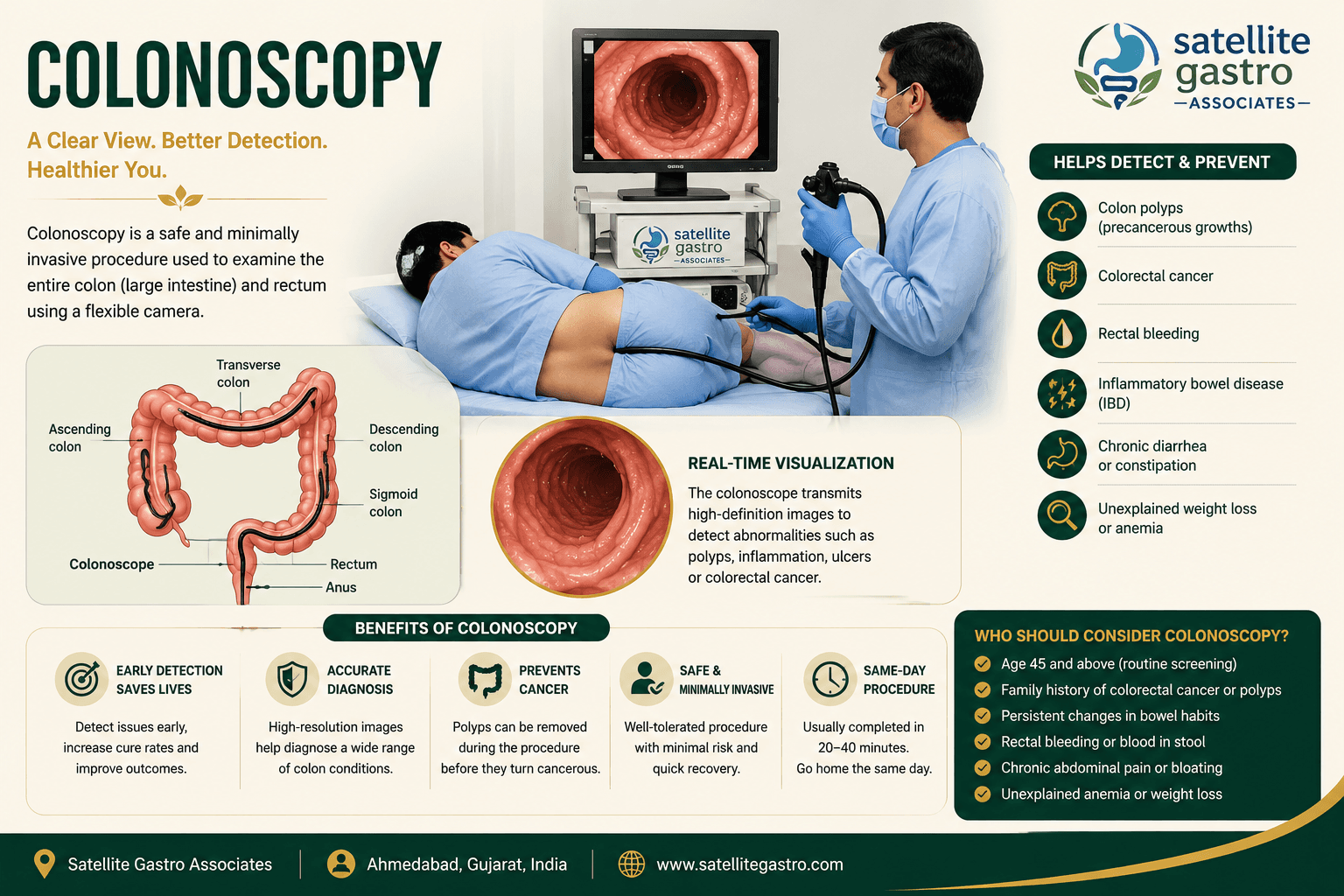
The image is shown on a high-definition monitor while the procedure is performed, and your doctor records still images and short video clips that go into your report.
Who needs it?

  • Long-standing acidity or reflux that has not settled with medication.
  • Pain or discomfort in the upper abdomen.
  • Difficulty swallowing or food sticking in the chest.
  • Suspected ulcer, bleeding, or H. pylori infection.
  • Surveillance of known Barrett oesophagus or treated ulcers.

How it works

You will lie on your left side. A small numbing spray is applied to the back of the throat.

Sedation is given through a small cannula in the hand. Most patients sleep through the procedure.

The scope is passed through the mouth into the food pipe, stomach and duodenum. The whole examination usually takes 10 to 15 minutes.

Biopsies (tiny tissue samples) are taken when needed. They are painless.

Preparation

  • No food for 6 hours before the procedure. Clear fluids are fine until 2 hours before.
  • Continue most regular medicines with a sip of water unless your doctor advises otherwise.
  • Bring a companion who can take you home, since sedation makes driving unsafe for the rest of the day.

Recovery

  • You will rest in the recovery area for 30 to 60 minutes while the sedation wears off.
  • Mild throat discomfort and bloating are common for a few hours.
  • A written report with images is given before you leave. Biopsy results, if taken, follow in 3 to 5 working days.

Risks

All endoscopic procedures carry a small risk of bleeding, perforation, or reaction to sedation. These risks are uncommon when the procedure is done by a trained endoscopist in a hospital setting.

We will explain the risks specific to your case during the consultation, before you sign consent.

Common questions

Things patients ask us.

Will it hurt?

No. The procedure is done under sedation. Most patients have no memory of it.

How long until I can eat?

You can eat normally about an hour after the procedure, once the throat numbness has worn off.

Can I drive home?

No. Sedation impairs reflexes for the rest of the day. Bring a companion.