Skip to content
Cancer Screening Program

Procedure

Cancer Screening Program

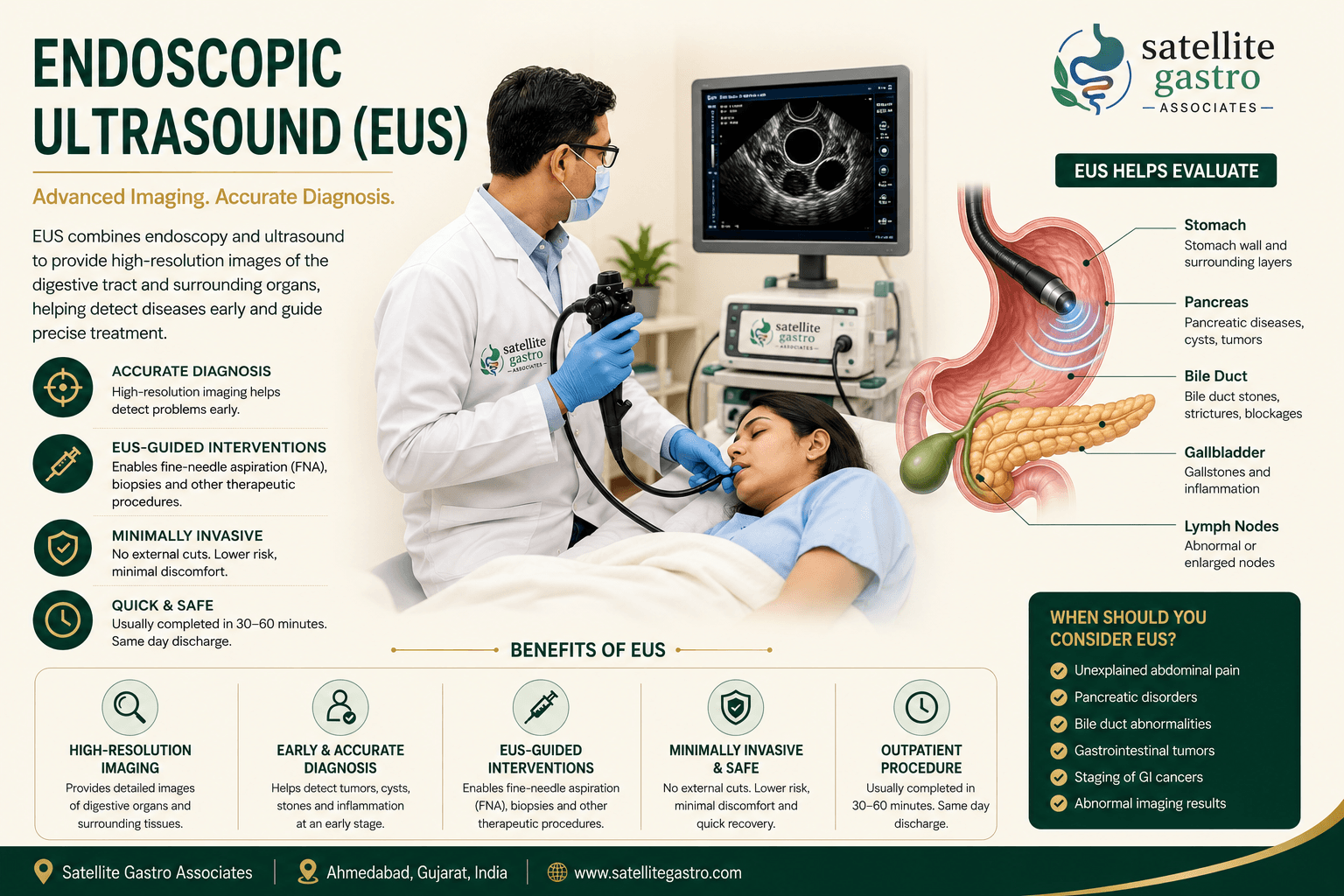
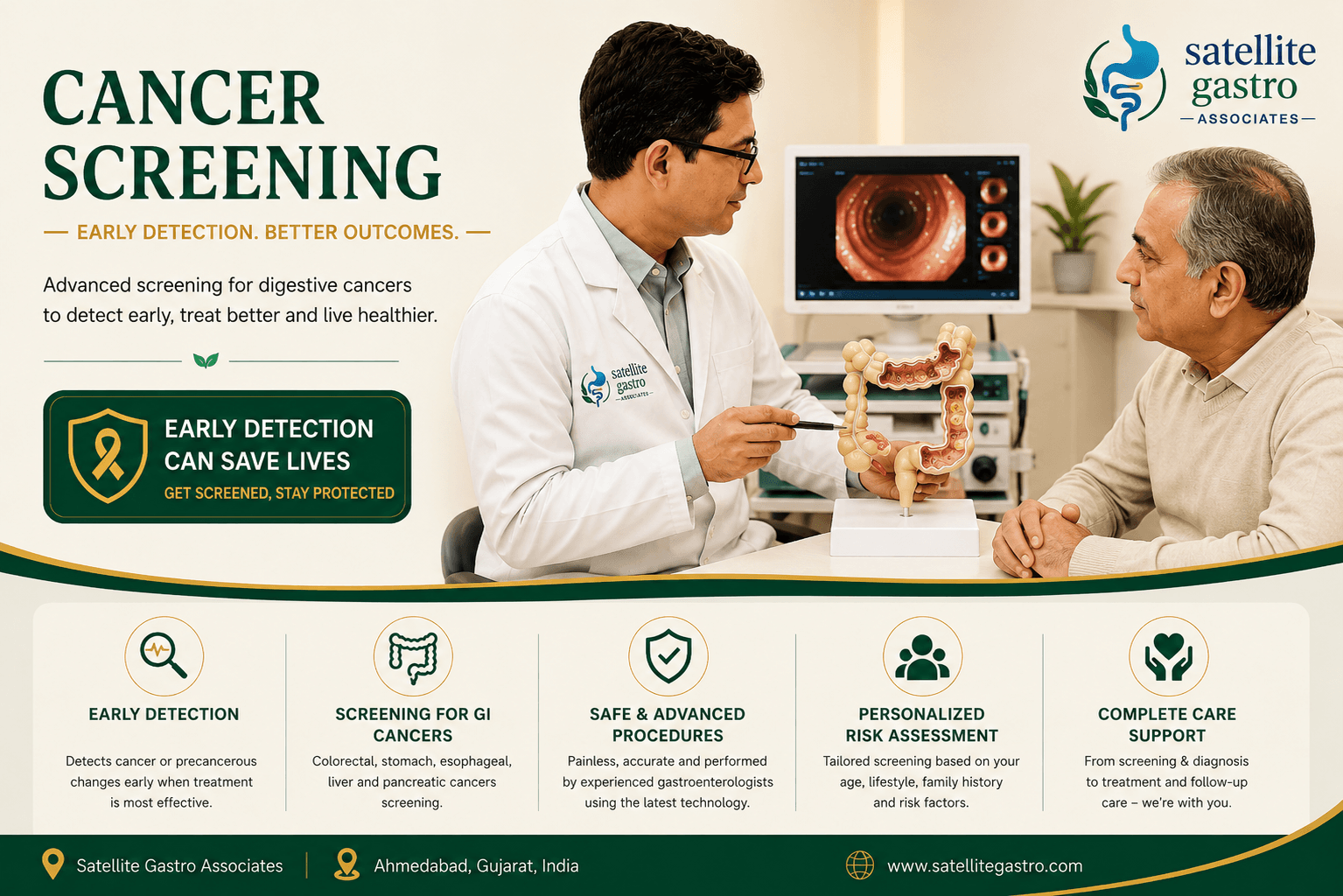
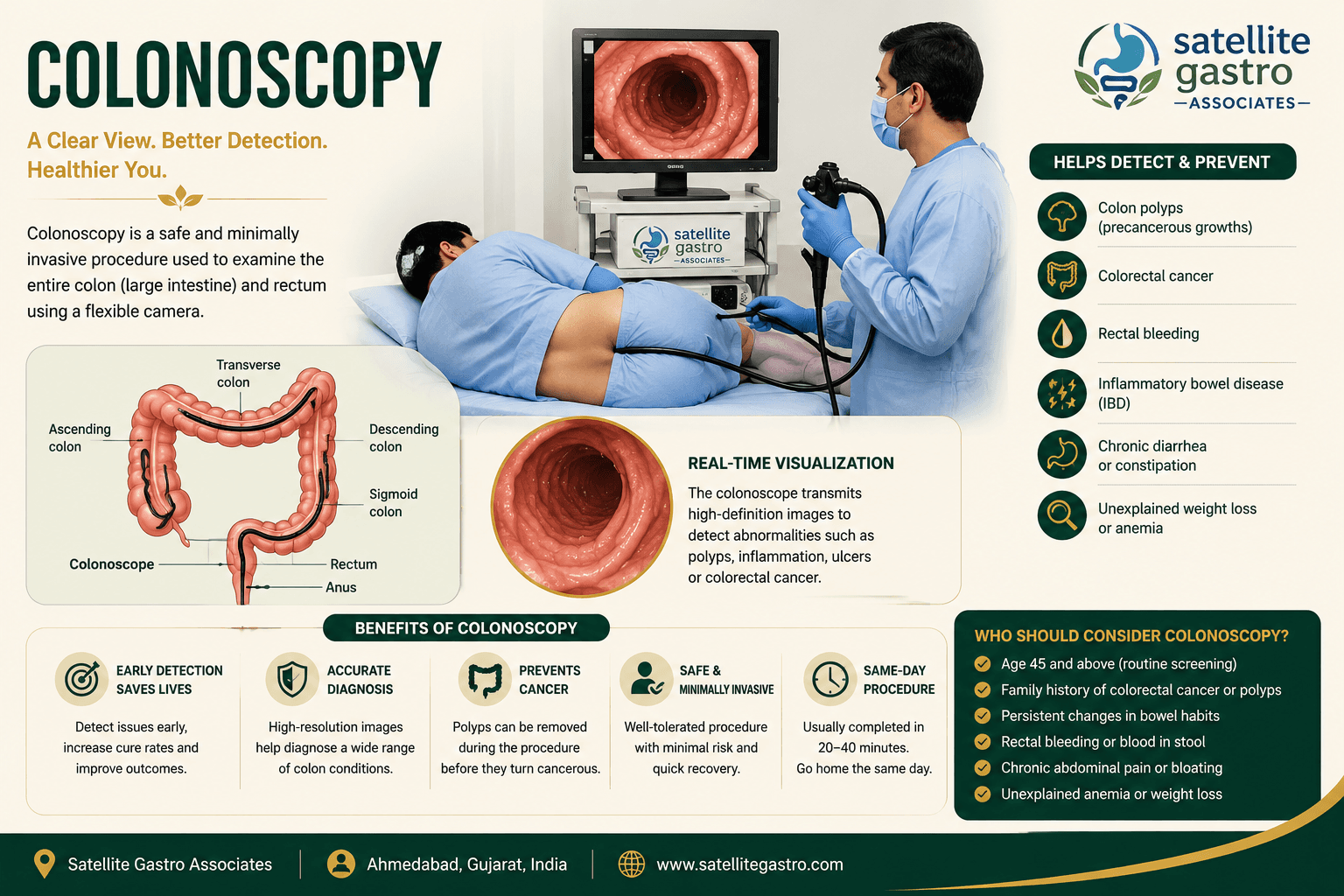
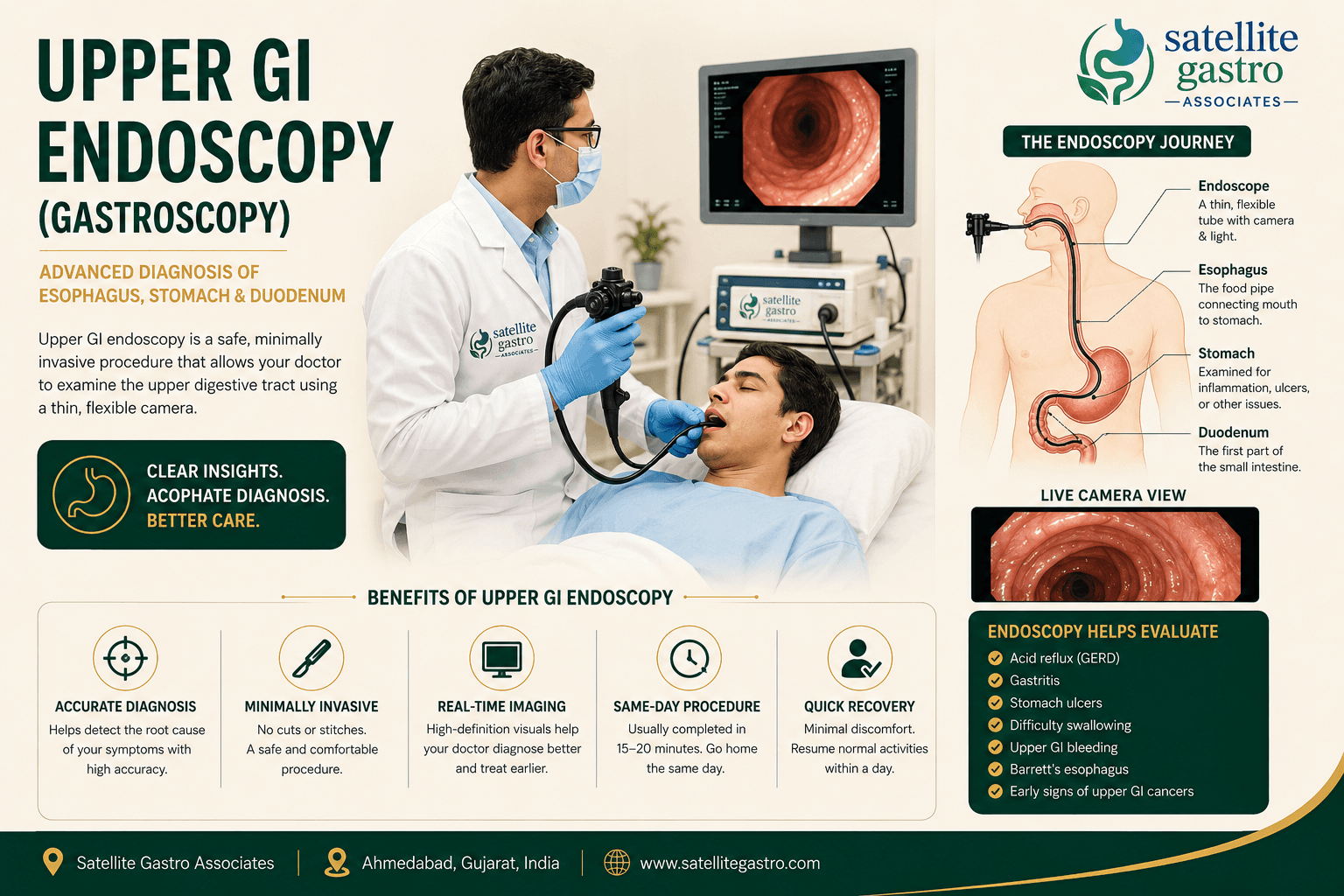
Structured screening for cancers of the digestive tract: colonoscopy with polyp removal for colon cancer screening (recommended from age 45, or earlier if there is a family history), upper endoscopy for stomach and oesophageal screening, EUS for pancreatic and submucosal evaluation, and ESD or EMR for removal of early cancers and polyps.

What is it?

Most GI cancers are highly treatable when caught early. The Cancer Screening Program brings together the tests used to detect them, organised by which organ is being screened.

Colonoscopy is the cornerstone for colon cancer screening. Upper endoscopy with NBI/BLI/LCI imaging is used for stomach and oesophageal surveillance. EUS evaluates pancreatic lesions and lymph nodes. When early-stage lesions are found, they can often be removed endoscopically by ESD or EMR in the same setting.
Who needs it?

  • Adults aged 45 and over, for routine colon cancer screening.
  • Adults at any age with a family history of colon, stomach, oesophageal or pancreatic cancer.
  • Patients with long-standing reflux for Barrett oesophagus surveillance.
  • Patients with cirrhosis for hepatocellular carcinoma surveillance.
  • Patients with a previous polyp or early cancer, for follow-up surveillance.

How it works

A focused consultation establishes the right tests and the right interval for your personal risk profile.

Tests are scheduled together where possible. Most procedures are day-care under sedation.

Findings are reviewed with you in detail, with a written surveillance plan for the future.

Preparation

  • Specific to the procedure being performed. We send instructions in writing well before the visit.

Recovery

  • Most patients go home the same day after a short observation period.

Risks

All endoscopic procedures carry a small risk of bleeding, perforation, or reaction to sedation. These risks are uncommon when the procedure is done by a trained endoscopist in a hospital setting.

We will explain the risks specific to your case during the consultation, before you sign consent.

Common questions

Things patients ask us.

How often do I need a colonoscopy?

For average-risk adults, every 10 years from age 45. Earlier and more frequent for those with a family history or a previous polyp.

Is screening painful?

No. Screening endoscopy and colonoscopy are done under sedation.